In human studies, long-term recreational ketamine use has been associated with structural brain changes, including reduced prefrontal gray matter volume and impaired white matter connectivity, which are potentially linked to chronic low-grade inflammation ( 5.2.2 Mitochondrial dysfunction Ketamine disrupts mitochondrial function by reducing the membrane potential, increasing cytochrome c release, and promoting ROS generation, which collectively induce neuronal apoptosis ( Human studies have identified metabolic abnormalities in ketamine abusers, particularly in the prefrontal cortex, which may reflect mitochondrial dysfunction ( 5.2.3 Dose and frequency dependence The neurotoxic effects of ketamine are highly dependent on its dosage and frequency of use
The new MDL will allow vision loss cases to share discovery, expert work and pretrial rulings
For some, these risks might be too much, while others will take them for the possibility of improved outcomes
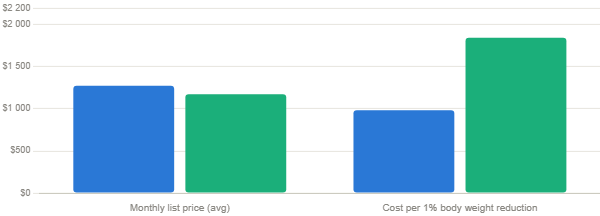
For patients & payers: A step toward lower costs and broader access to proven obesity treatments For Teva Pharmaceuticals: A strategic move into one of the fastest-growing segments in global pharma For Novo Nordisk: Limited short-term impact, but mounting competitive pressure as generics gain ground This development could reshape affordability, accessibility, and competition in obesity care signaling the beginning of a new chapter for patients and healthcare systems worldwide