Kraeuter AK, Guest PC, Sarnyai Z (2019) The Y-maze for assessment of spatial working and reference memory in mice
Baseline BMI 27 kg/m with at least one of the following comorbidities: Hypertension (high blood pressure), type 2 diabetes, dyslipidemia, obstructive sleep apnea (OSA), cardiovascular disease, PCOS, COPD, osteoarthritis, asthma coronary artery disease, or metabolic dysfunction-associated steatotic liver disease/NAFLD
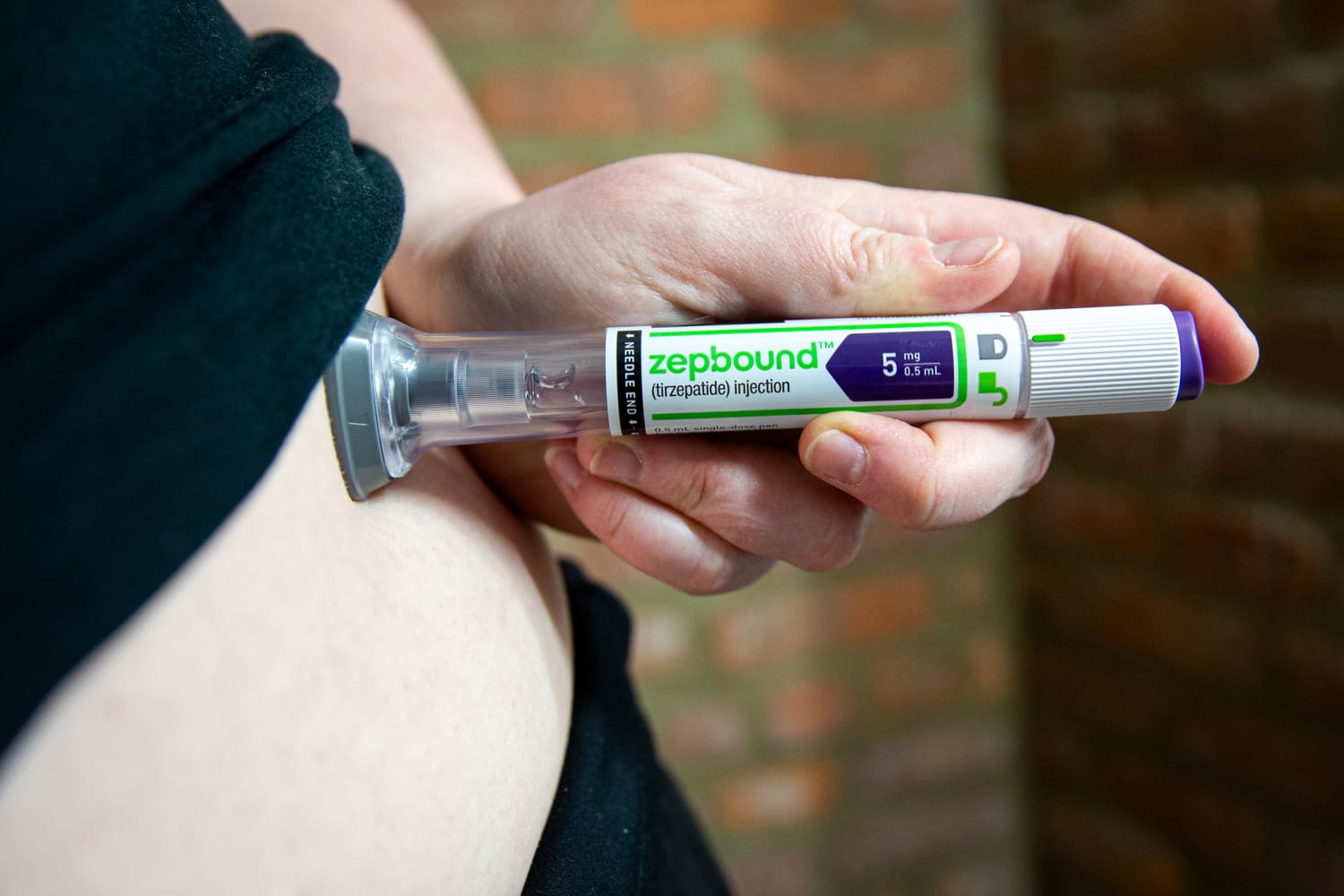
Effective management of cardiovascular side effects during Zepbound therapy begins with appropriate patient selection and baseline assessment
GHK-Cu for Tissue Repair Commonly associated with skin regeneration Often discussed for collagen synthesis and fibroblast support Frequently researched for scar appearance and dermal remodeling More often tied to surface-level or cosmetic-facing regenerative goals BPC-157 for Tissue Repair Commonly associated with tendon and ligament recovery models Often discussed for muscle and joint support Frequently researched for gut and systemic recovery pathways More often tied to deep tissue and structural repair discussions In practical terms, GHK-Cu vs BPC-157 often comes down to collagen/skin remodeling vs musculoskeletal/systemic recovery