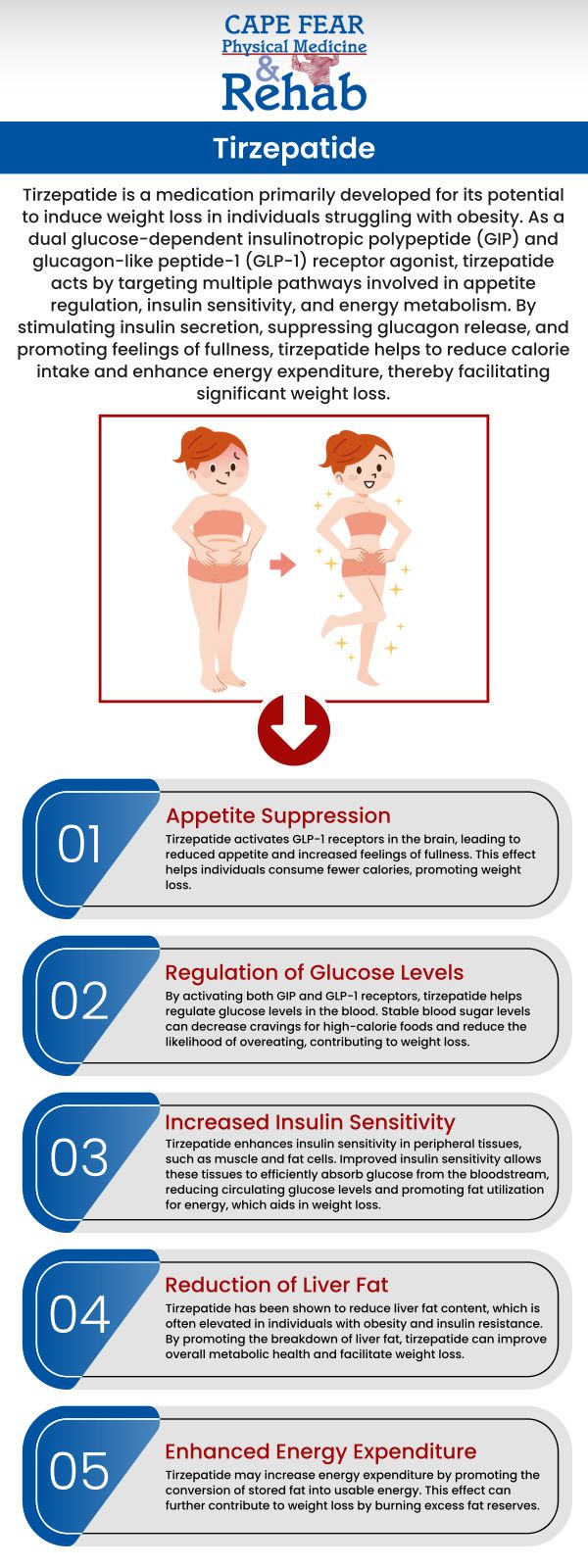
This "triple G" approach helps regulate blood sugar, control appetite, and reduce food consumption, making it a potent tool for weight management
Melanotan II peptide: metabolism and appetite regulation. Peptides
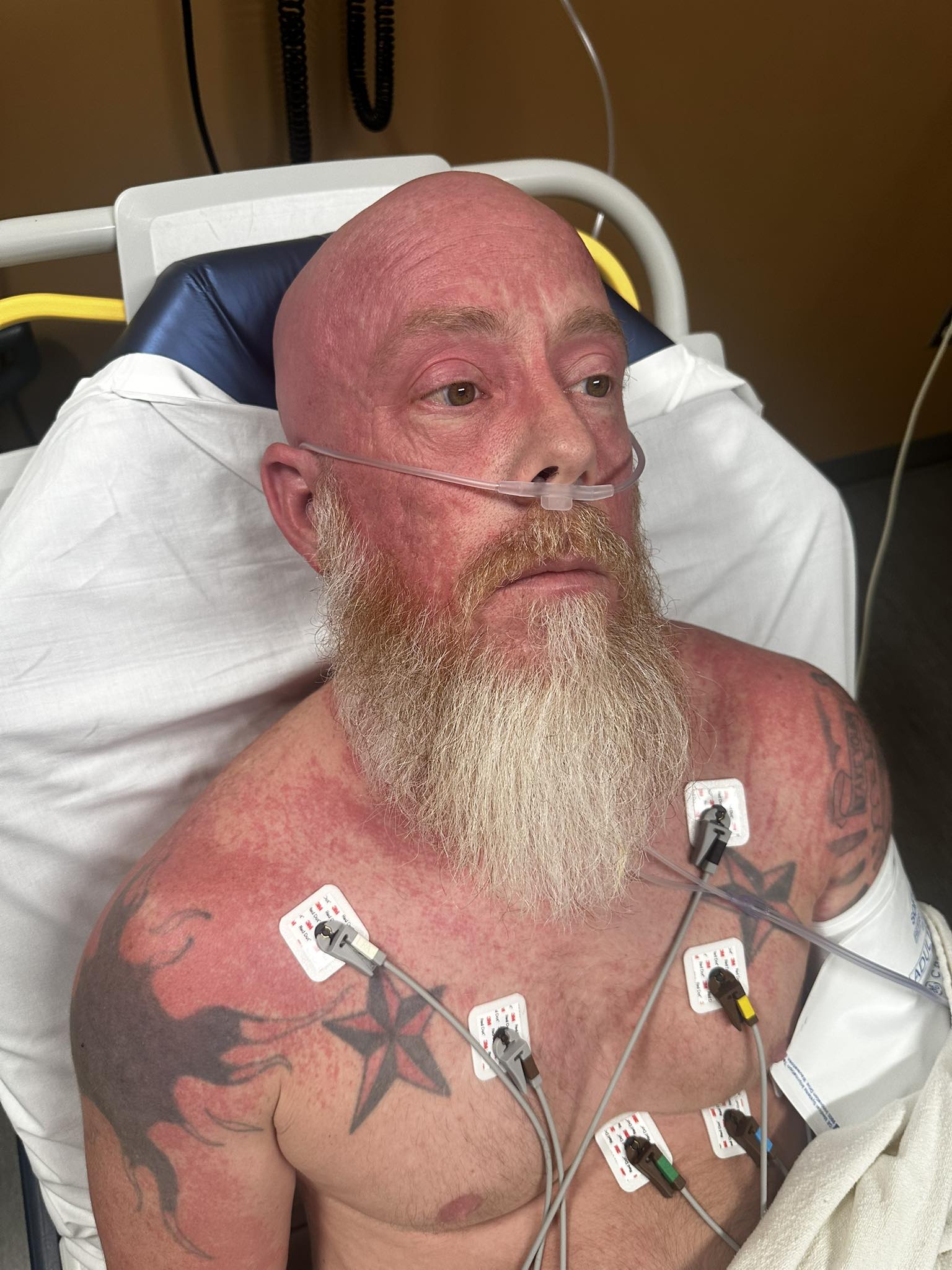
You should initiate a discussion if: You are newly diagnosed with a lymphoproliferative disorder whilst taking a GLP-1 agonist You experience new or worsening symptoms such as unexplained lymph node swelling, persistent fever, drenching night sweats, or unintentional weight loss exceeding that expected from the medication Gastrointestinal side effects become severe or persistent, affecting your ability to eat, maintain hydration, or take other essential medications You are due to start chemotherapy or immunotherapy and need to discuss whether to continue, pause, or stop your GLP-1 agonist Your weight loss is excessive or you are concerned about nutritional status You experience symptoms of hypoglycaemia (sweating, shakiness, confusion) if taking insulin or sulfonylureas alongside a GLP-1 agonist Before starting GLP-1 therapy , ensure your GP or diabetes specialist is aware of your complete medical history, including any current or previous lymphoproliferative disorder, even if in remission

Polycystic ovary syndrome










![BUY 1 GET 1 ] Simplee S-Acetyl Glutathione – Promotes antioxidant defense and skin vitality](https://down-ph.img.susercontent.com/file/sg-11134201-7rfff-m3mvd9f2vcyw2d)