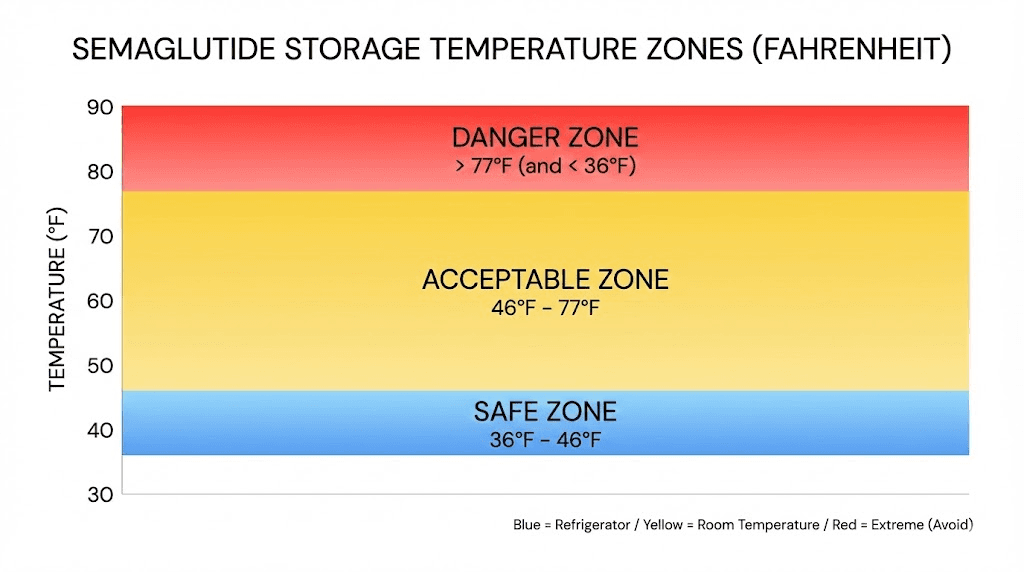
can semaglutide be at room temp
Shipping Estimate
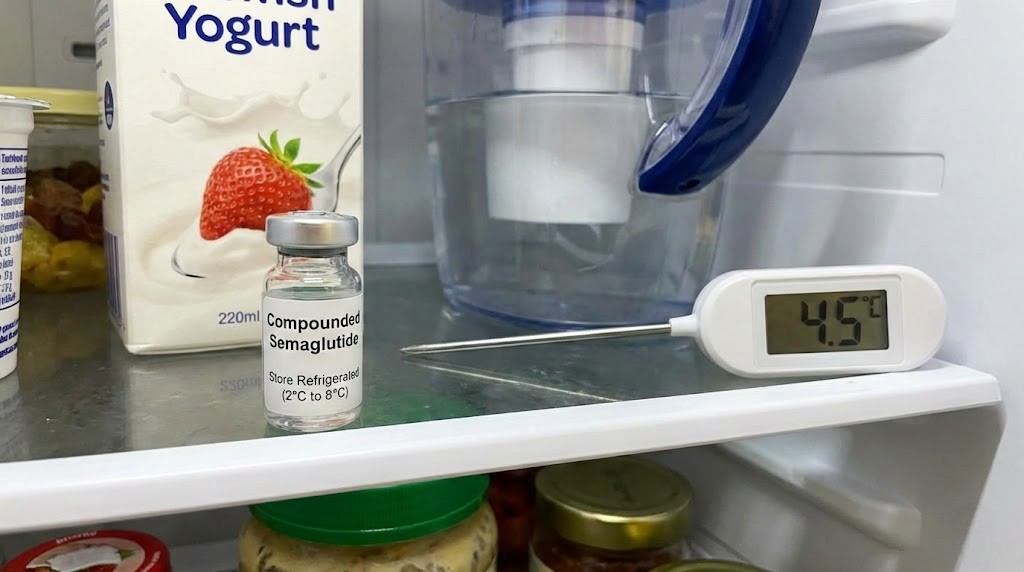
can semaglutide be at room temp how long does compounded last in the refrigerator need to refrigerated? complete storage guide Compounded Semaglutide Storage: – What Color Is Semaglutide? Identification
USD23.16
USD68.16
Pay in 4 interest-free payments of $5.79 Learn more
Shipping Estimate
USA
- USA
- CAN
- USA
- CAN
Ships within 48 hours · Estimated delivery Nov 7 - Nov 12