Key pathophysiologic mechanisms include: Mucosal barrier dysfunction: Impaired epithelial tight junctions allow bacterial translocation, triggering innate immune activation T-helper cell dysregulation: Predominantly Th1 and Th17 pathways drive chronic inflammation via TNF-, IL-12, IL-23 the basis for biologic therapy targets Transmural inflammation: Unlike UC (mucosal only), CD involves all layers: mucosa submucosa muscularis propria serosa Granuloma formation: Non-caseating granulomas are pathognomonic but present in only ~3050% of biopsies Fibrosis and stricture: Chronic inflammation activates myofibroblasts collagen deposition luminal narrowing obstructive symptoms Fistula formation: Transmural ulcers penetrate serosa form sinus tracts connect to adjacent bowel, bladder, vagina, or skin 7
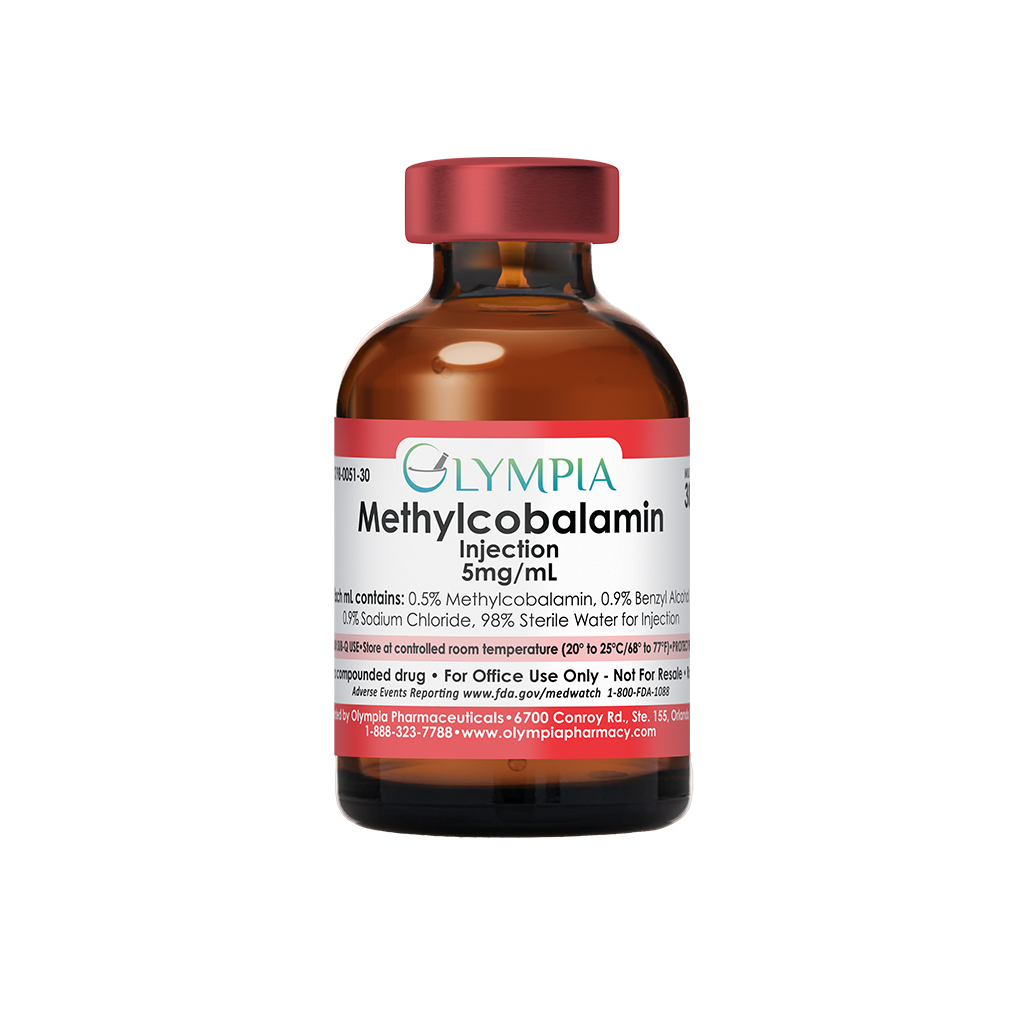
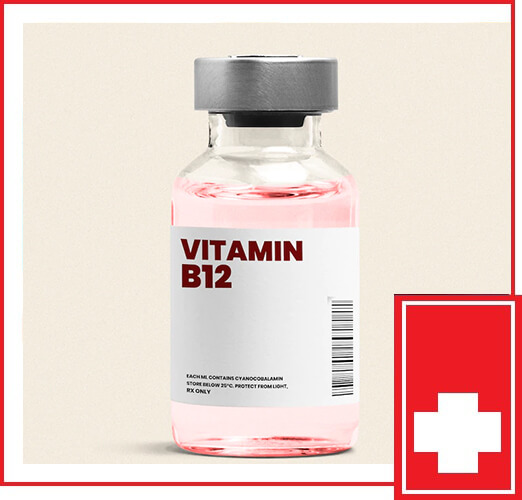
In this situation, it can be challenging to demonstrate B12 deficiency even when there are typical symptoms (including neuropathy-like paraesthesia and numbness), as serum B12 concentrations may be just within, or sometimes above, the normal range due to the oral supplementation
Fezza has been annually honored as one of Americas Top Doctors by Castle Connolly Medical, Ltd
Have sluggish thyroid function but are not candidates for thyroid hormone therapy





&srotate=0)