warrior labs bpc 157
Shipping Estimate
warrior labs bpc 157 Peptide BPC-157 Pure BPC Supplement 500mcg -
EUR27.68
EUR49.68
Pay in 4 interest-free payments of $6.92 Learn more
Shipping Estimate
USA
- USA
- CAN
- USA
- CAN
Ships within 48 hours · Estimated delivery Nov 7 - Nov 12



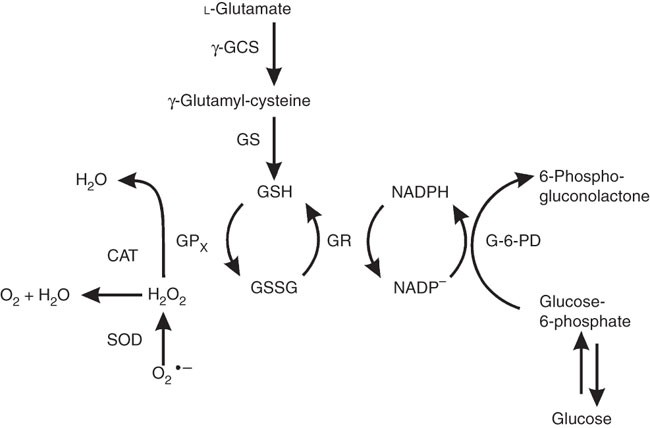
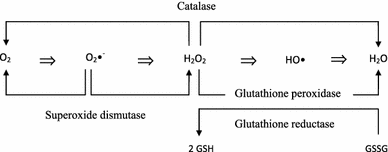

![PDF] Catalase and glutathione peroxidase are equally active in detoxification of hydrogen peroxide in human erythrocytes](https://figures.semanticscholar.org/e57b719abf8498181e0be7902735507a49da0e4f/2-Figure1-1.png)