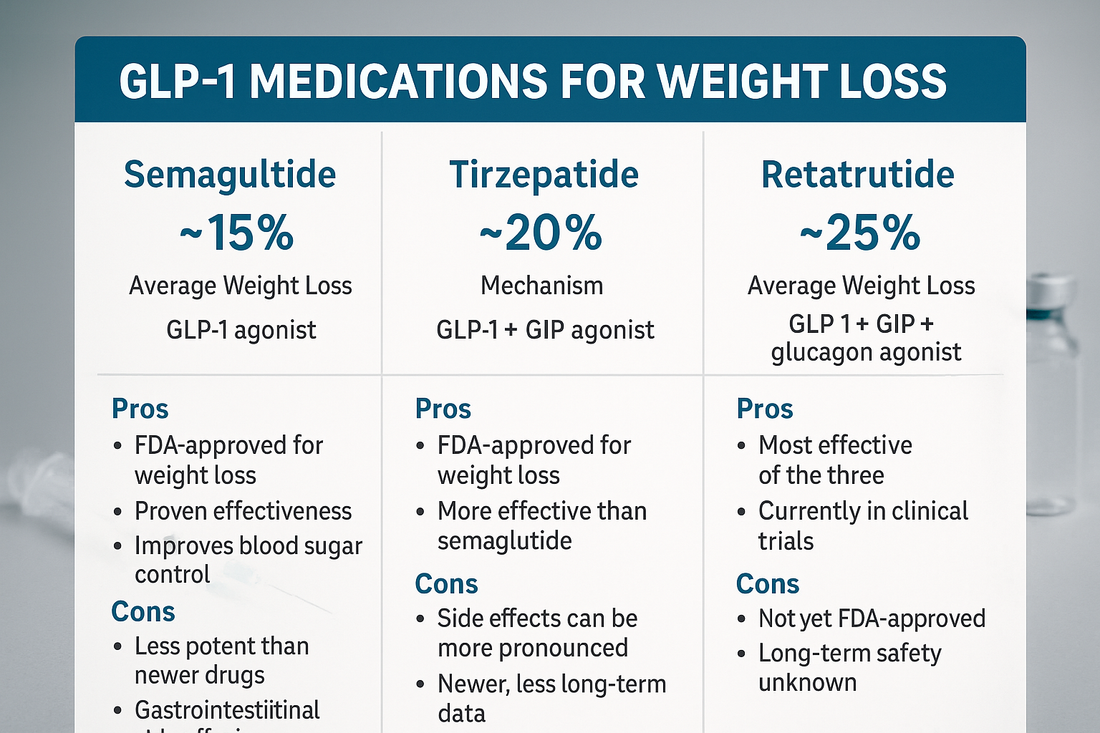
Investigating mechanisms of appetite suppression and satiety via GLP1 and GIP pathways Studying energy expenditure and fat oxidation mediated by glucagon receptor activation Researching synergistic effects of triple-agonist peptides on body weight reduction Evaluating potential therapeutic strategies for severe obesity Examining insulin secretion, glucose homeostasis, and HbA1c improvement Researching effects on insulin sensitivity and pancreatic beta-cell function Studying incretin-based mechanisms in type 2 diabetes models Investigating lipid metabolism and cardiovascular markers Researching the impact of triple-receptor activation on overall metabolic profile Studying mechanisms underlying metabolic syndrome and related disorders Exploring multi-receptor agonist peptide design and structure-activity relationships Studying pharmacokinetics, receptor specificity, and chemical modifications to improve half-life and stability Evaluating preclinical safety, efficacy, and translational potential Retatrutide is used in research for obesity, metabolic disorders, type 2 diabetes, and cardiometabolic health , leveraging its triple-receptor mechanism (GLP1, GIP, glucagon) to study weight loss, glucose regulation, and metabolic improvements

Neither activates glucagon receptors at meaningful therapeutic doses
For example, if you have 2.5mg/mL concentration and want a 0.5mg dose: (0.5 2.5) 100 = 20 IU
Dyslipidemia, oxidative stress and cardiac dysfunction in children with chronic renal failure: effects of L-carnitine supplementation

/assets/images/provider/photos/2764437.jpeg)





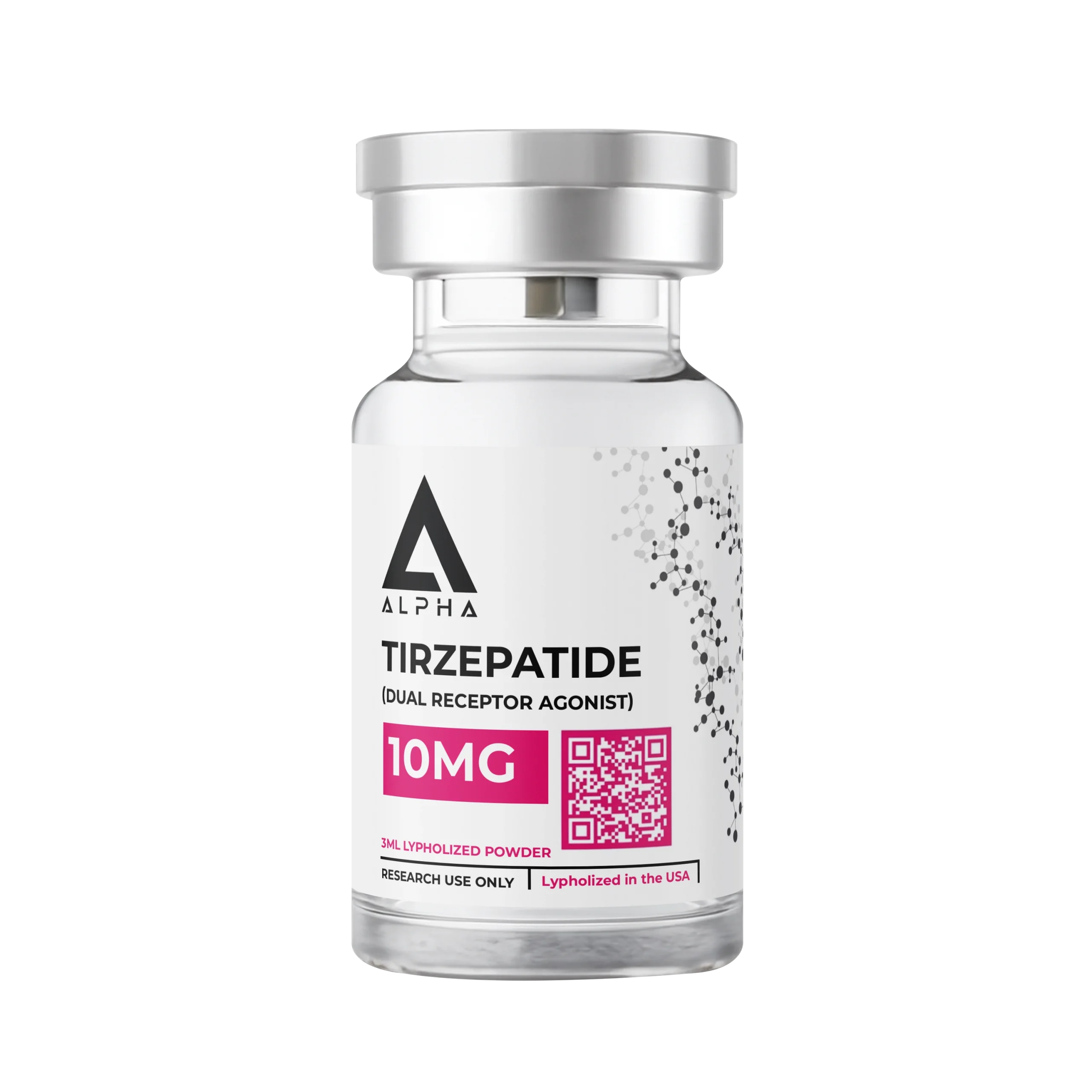
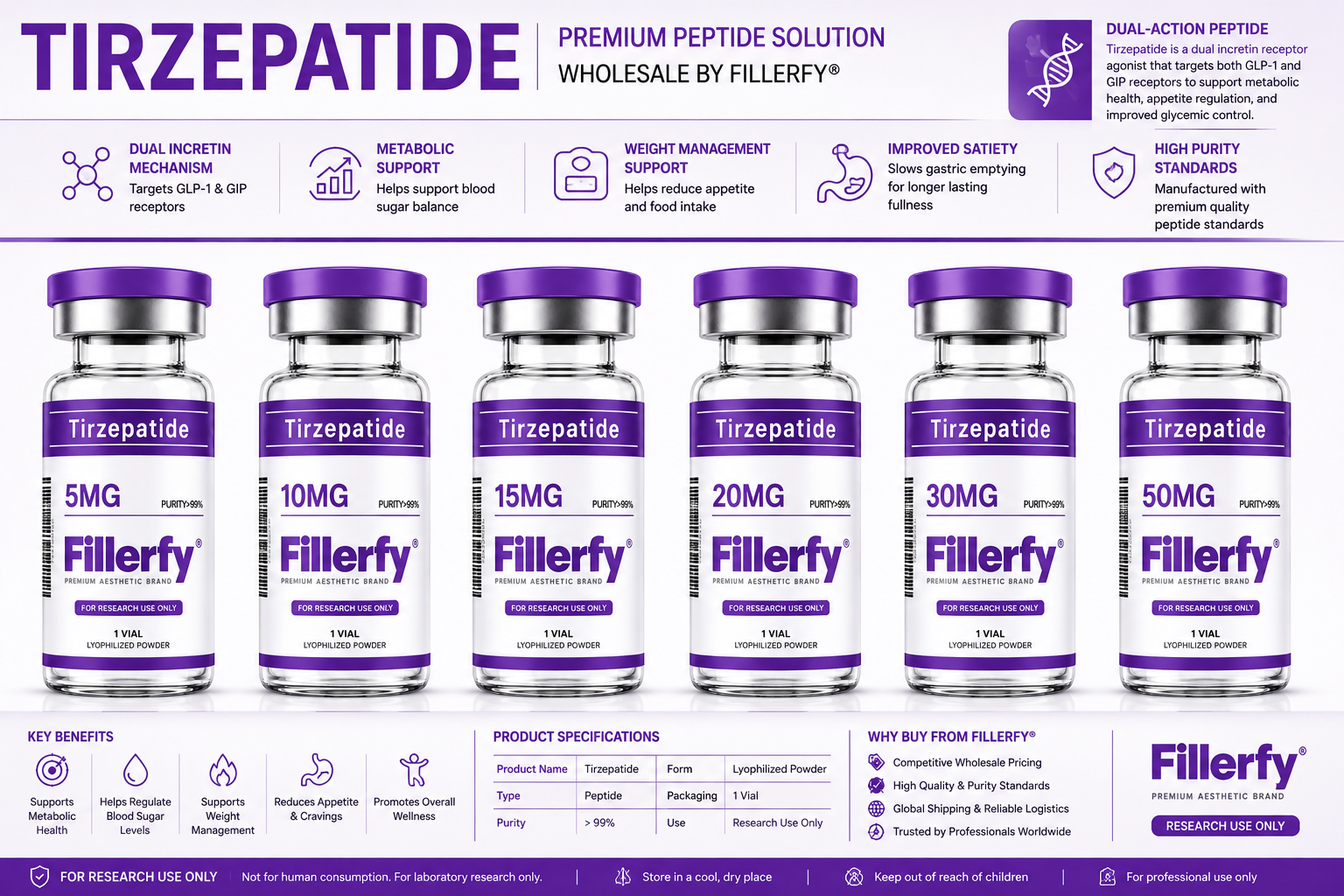



![Shining Magikarp (66/64) [Neo Revelation Unlimited] Phyrexian Elf Noble](https://cdn.shopify.com/s/files/1/0794/9162/9342/files/89166_35f2cfe2-e2c0-4893-802d-c402a8b1f110.jpg?v=1776231895)


