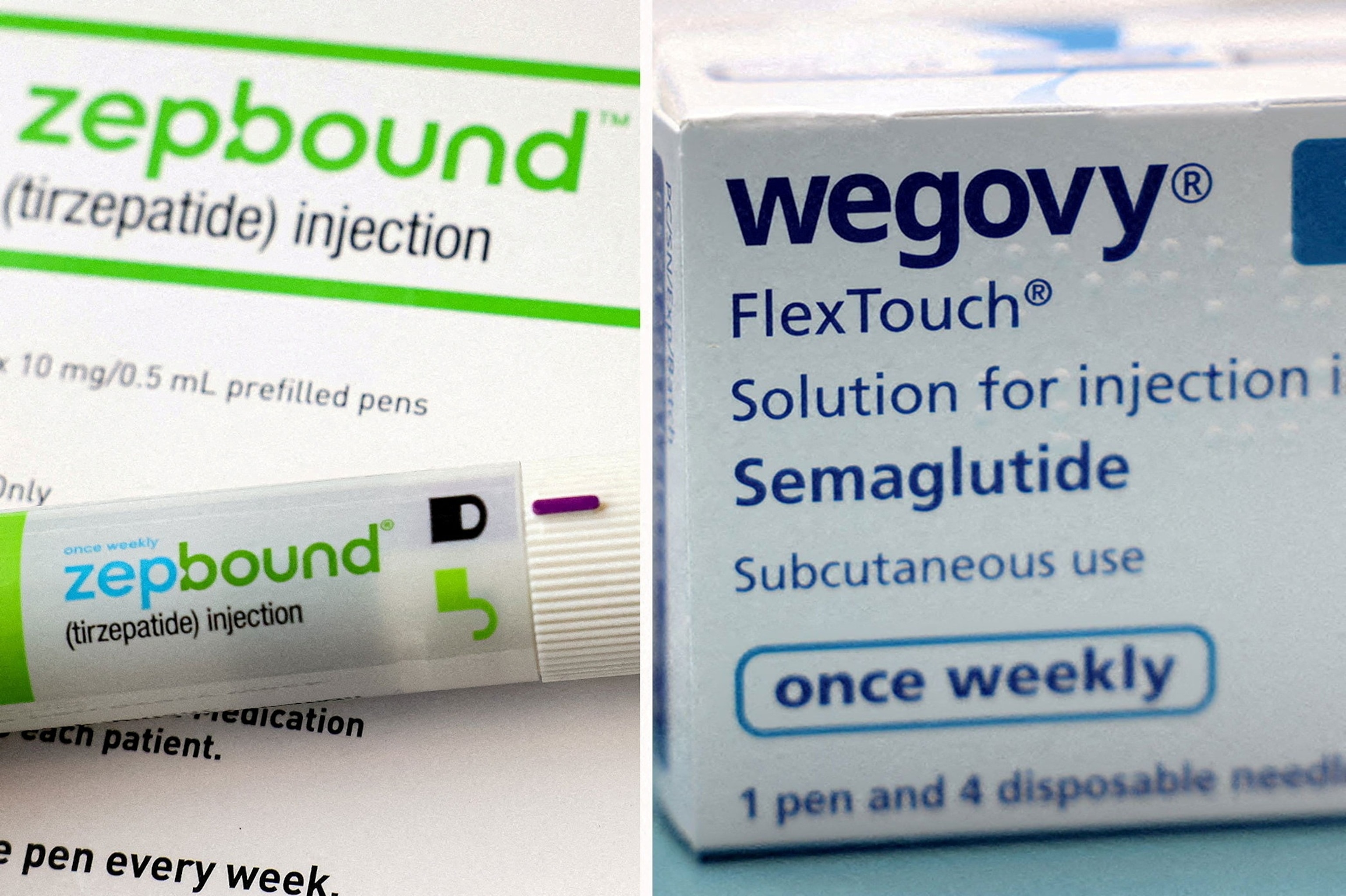
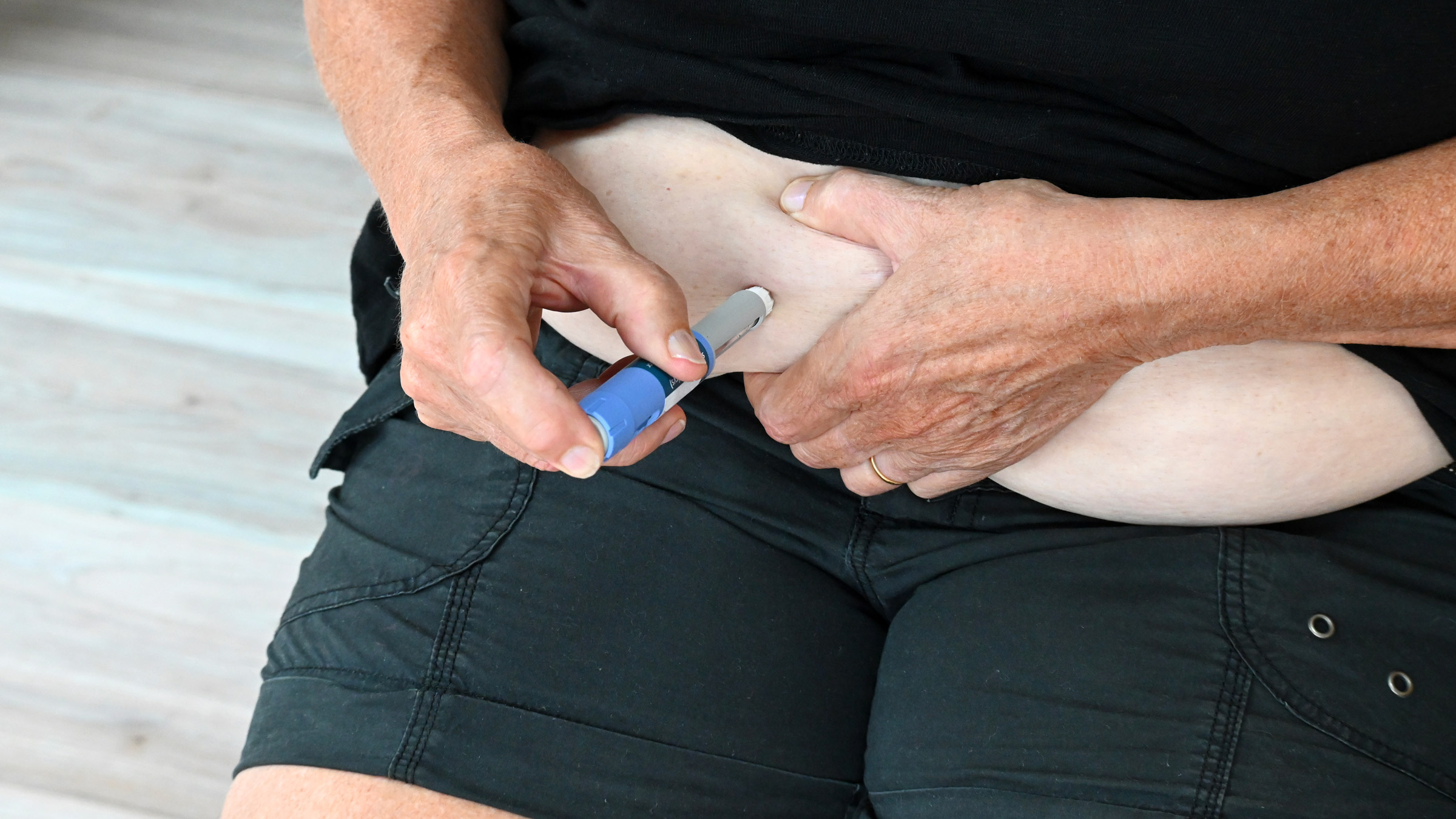
Some of the most notable similarities between Tirzepatide and Ozempic include: Most commonly administered through weekly injections Improve metabolic health Lower blood sugar and A1C FDA-approved for weight loss Have a history of treating type II diabetes Evidence of significant weight loss Synthesize GLP-1 hormones May cause nausea, stomach upset, diarrhea, and vomiting as temporary side effects Insurance coverage varies widely when prescribed only for weight loss No currently available generic version Cannot take with other GLP-1 drugs Injected in the same areas: stomach, thigh, or upper arm Injections can be self-administered at home May help improve overall health including lowering the risk of certain cardiac conditions and anything related to the patients weight It is important to note that while Ozempic and Tirzepatide are very similar, they are not interchangeable and the dosages are completely different

Nausea is the most common side effect, affecting approximately 15-30% of patients depending on the dose, followed by diarrhea (13-16%), vomiting (6-12%), and constipation (6-7%)
High Demand and Profitability of Glp-1 Drugs Fuel Gray and Counterfeit Markets in China, Which Lilly Aims to Address Chinese Market Targets Glp-1 Derivatives, Exploiting Patent Loopholes and Subsidies To Undercut Lilly Chamath Palihapitiya draws attention to an active gray market for Glp-1 drugs in China
If gynaecomastia is suspected to be drug-related but lisinopril is considered the most likely contributing factor after excluding other causes, your GP may consider switching to an angiotensin receptor blocker (ARB) such as losartan or candesartan